
A cracked, crushed, or chewed hearing aid shell does not automatically mean the aid is finished. If the electronics inside still work, recasing can save it: the working components are moved into a brand-new custom shell, so you keep the aid you know — and the fit you are used to — without buying a new one.
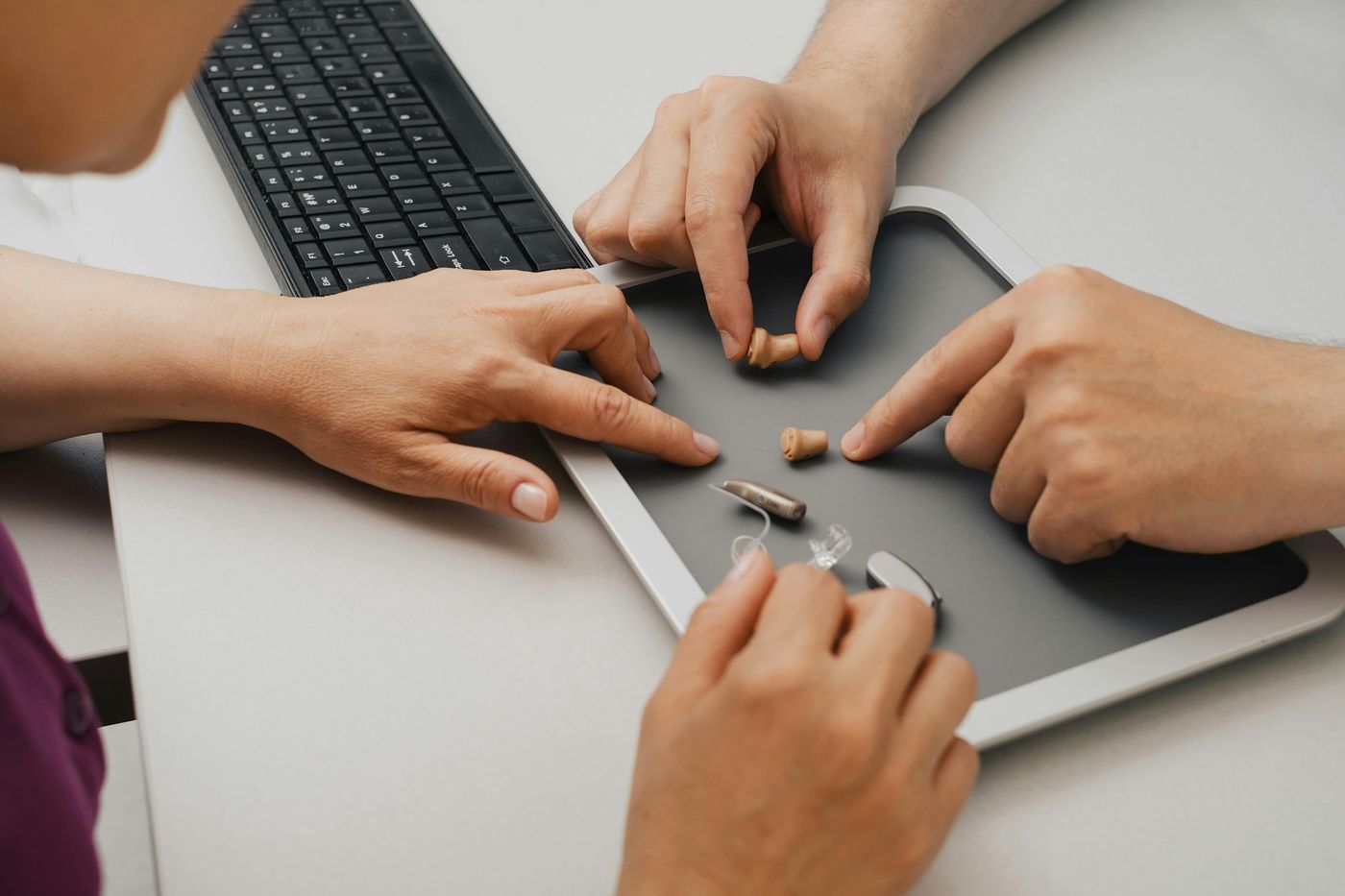
What Is Recasing?
Recasing means carefully removing your aid’s electronics — receiver, microphone, amplifier, and battery contacts — testing each part, and building them into a new shell made for your ear. An ear impression is required, because the new shell is custom-made from the shape of your ear canal, just like the original. The result is the same electronics in a shell that fits properly again, with no cracks letting in moisture, wax, and sweat.
When Does Recasing Beat Replacement?
- Custom in-ear aids that fit well. If the fit and sound were right before the shell cracked, recasing preserves both.
- The electronics still work. Recasing makes sense when the damage is to the shell, not the components inside — our diagnosis confirms this first.
- Discontinued models. If your model is no longer sold, recasing can keep an aid you like in service for far less than the cost of a new pair of hearing aids.
- Pet damage and drops. Cracked shells from chewing or a hard fall are the most common reason aids come to us for recasing — see our dog chewed hearing aid page if that is what happened.
What Does Recasing Cost — and How Does the Pricing Work?
Recasing is priced after we see the device — we never quote a recasing price sight unseen, because the work depends on the model, the shell style, and the condition of the electronics. The process is simple: send or bring in the aid, we inspect it and test the electronics, then we call you with an estimate and wait for your approval before any work is done. Nothing is charged without your go-ahead.
For comparison, our standard repair — for faults that do not involve the shell — is $275 per aid with a 6-month warranty on the parts repaired, parts only, no refunds, completed same-day when parts are in stock; through a dispenser or the manufacturer, a standard repair typically costs about $600 per aid. Whether recasing or replacement is better value in your case is covered in our guide on whether to repair or replace your hearing aids.
How Do You Start a Recasing?
Walk in to our Richardson lab, or use mail-in hearing aid repair from anywhere in the country — standard return shipping is free, and express return shipping is $44.99. Send in every piece of the broken shell you can find; fragments help us match the original shape alongside your ear impression. Start from our main hearing aid repair page or the form below, and we will walk you through the impression step on the diagnosis call.
Common Questions
Can any hearing aid be recased?
Recasing is mainly for custom in-ear aids, where the shell is made for one person’s ear. Behind-the-ear aids use standard cases and tubing instead, which are handled as a standard repair or case replacement after inspection.
Why do you need an ear impression?
The new shell is custom-built to your ear canal. Without an accurate impression, the new shell would not seal or sit comfortably the way the original did.
Why can’t you give me a recasing price now?
Because the honest price depends on your specific aid and the condition of its electronics. We inspect first, then call with an estimate — you approve it before we do anything, and there is no obligation in the estimate call.
Cracked shell? Call (469) 230-2392 or start your repair online and let us inspect it first.
Contact Us
Havmeen Hearing Lab
Walk-in: 1401 N Central Expy, Suite 100, Richardson, TX 75080
Mail-in: 1401 N Central Expy, Suite 100-116, Richardson, TX 75080
Phone: (469) 230-2392
Email: Hear@HavmeenHearingLab.com
Hours: Mon–Fri 9–5, Sat–Sun 11–2