
If your hearing aid got wet — dropped in the sink, caught in the rain, worn in the shower, or left in a pocket through the wash — do not panic, and do not keep wearing it. Hearing aid water damage is one of the most common problems we see, and what you do in the first hour makes a real difference to whether the aid can be saved.
If your aid has stopped working completely after getting wet, it may also help to read about a hearing aid that is dead and not working. The steps below come first, though — follow them before anything else.
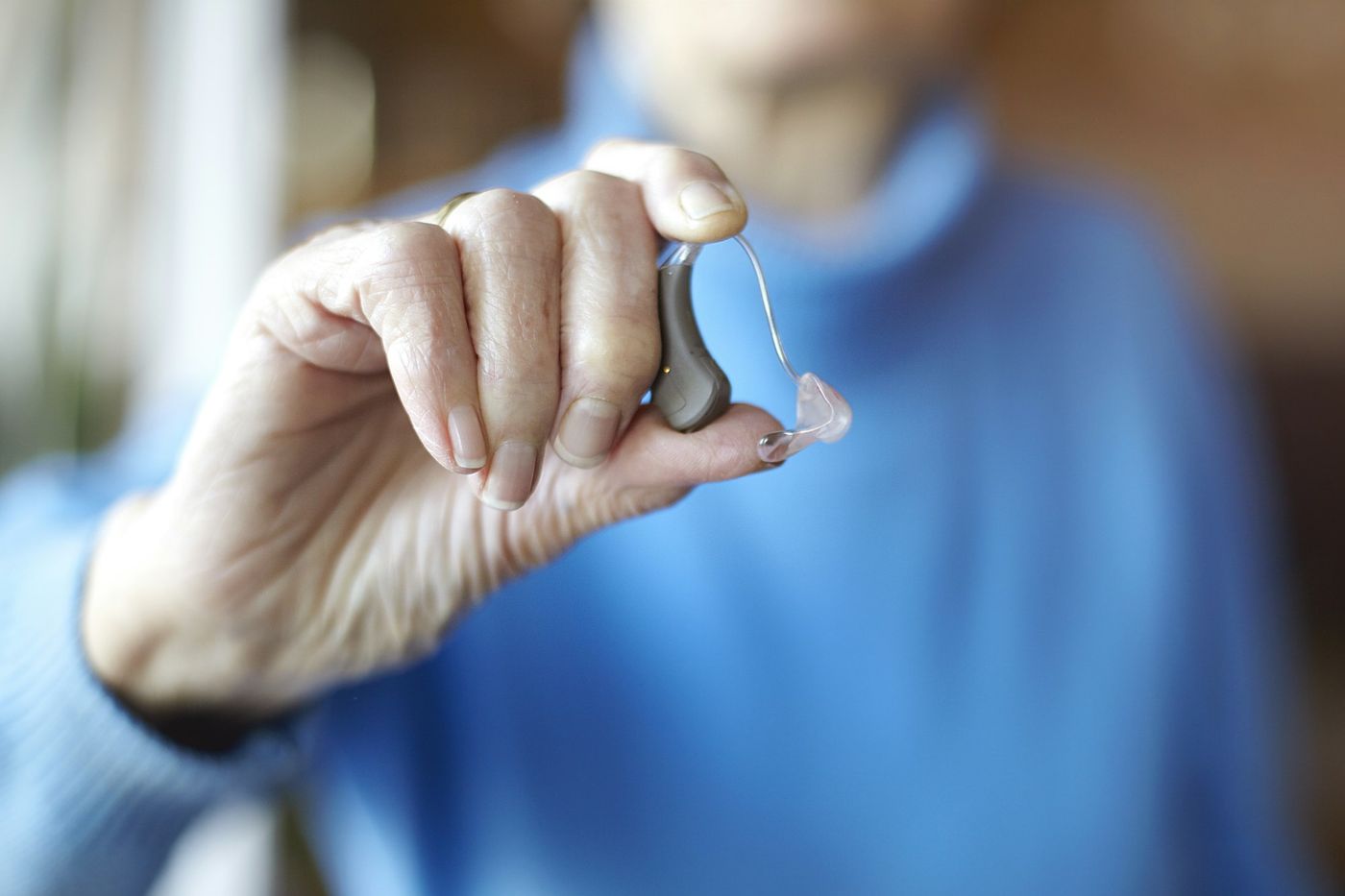
What to Do Right Now
- Take the aid out and turn it off. Do not try to test whether it still works — running power through a wet aid can short the electronics.
- Remove the battery. Open the battery door and take the battery out. For a rechargeable aid, power it fully off and do not put it on the charger. Leave the battery door open.
- Dry the outside gently. Wipe the aid with a soft, dry cloth or tissue. Shake out any visible water drops — gently.
- Let it air dry, or use a hearing aid drying kit. Leave the aid in a dry place at room temperature with the battery door open, ideally overnight. An electric hearing aid dryer or a drying jar with a desiccant puck is even better, if you have one.
- Do not wear it until it has been checked. Trapped moisture keeps corroding parts inside even after the outside feels dry.
What NOT to Do
- Do not use heat. No hair dryer on hot, no microwave, no oven, no radiator, and no leaving it in a hot car. Heat warps cases and damages electronics.
- Do not rely on the rice trick. A bowl of rice is a popular myth. At best it dries the surface slowly; it does not pull moisture out of the inside of the aid the way a proper dryer or desiccant does, and rice dust can get into the aid. Air drying with the battery door open — or a real drying kit — is the safer choice.
- Do not charge a wet rechargeable aid. Keep it off the charger until it is fully dry and checked.
- Do not keep turning it on to check it. Every power-on through wet electronics risks more damage.
Signs Water Has Damaged the Aid
- Sound that is weak, muffled, distorted, or cutting in and out
- Static, crackling, or buzzing that was not there before
- The aid works for a while, then fades or stops
- The aid will not turn on, or will not charge
- Visible moisture, fogging, or corrosion around the battery door or contacts
Sometimes a wet aid dries out and sounds fine for a few days, then starts failing as corrosion spreads inside. If any of these signs appear after the aid got wet, have it checked even if it is still working — catching corrosion early is almost always cheaper than catching it late. For the general price picture, see our hearing aid repair cost guide.
How We Repair Water Damage
At Havmeen Hearing Lab in Richardson, TX, we open the aid in our own lab, dry and clean the internals properly, test every component, and replace the parts the water has damaged — commonly the speaker, microphone, contacts, or wiring. All major brands can be mailed in or brought in, and we repair aids of any age.
One honest note on price: water damage is not always our standard $275 repair. Because the damage varies — a light splash is very different from a full wash cycle, and some aids also need re-casing or several parts — water damage is quoted as a custom repair. We diagnose the aid first, then call you with the price and wait for your approval before any work is done. If the repair fits the standard service, we will tell you that on the same call.
Repairs we carry out come with a 6-month warranty on the parts repaired — parts only, no refunds. When parts are in stock, we work as fast as we can; walk-in repairs are often completed same-day when parts are in stock. Start on our main hearing aid repair page, or use mail-in hearing aid repair if you are not nearby. Mail-in is how readers in Florida and Georgia send us wet aids — see Orlando hearing aid repair and Atlanta hearing aid repair.
Common Questions
How much does it cost to repair a water-damaged hearing aid?
It depends on what the water damaged, so water damage is priced as a custom repair. We diagnose your aid first, then confirm the price with you by phone before repairing anything. Call (469) 230-2392 and tell us what happened — we can usually give you a realistic expectation on that call.
Can a hearing aid that went through the wash be saved?
Sometimes, yes — especially if the battery was removed quickly and the aid was not powered on afterwards. It is always worth having the lab check it before you replace it.
Should I send it in still damp?
Dry it first using the steps above, then send it in promptly. The sooner we can clean the internals, the better the chance of stopping corrosion.
Got a wet hearing aid? Call (469) 230-2392 or start your repair online. Mail-in repairs are welcome.
Contact Us
Repair or Replace?
Not sure whether your hearing aids can be repaired, or whether you need to replace them? Take our free check — it never gives a hard no, and we diagnose first.
Havmeen Hearing Lab
Walk-in: 1401 N Central Expy, Suite 100, Richardson, TX 75080
Mail-in: 1401 N Central Expy, Suite 100-116, Richardson, TX 75080
Phone: (469) 230-2392
Email: Hear@HavmeenHearingLab.com
Hours: Mon–Fri 9–5, Sat–Sun 11–2